From Port’Aquila, the gateway to the walled city, to the last Pila stone quarries, passing through the Laste, the Parco delle Coste, Moià, and Villamontagna. A route that develops by touching all the areas where the stones used for the construction of the city from the 12th to the 20th century were extracted.
The itinerary connects the historic part inside Trento's city walls with the higher settlements of the eastern hill, touching a series of places of great historical relevance for the birth and formation of the city. In fact, along the route, it is possible to see the Buonconsiglio stone quarry (located behind the castle on Via della Cervara), the Coste quarry (where construction material was quarried until the 1950s), and lastly the Pila quarries, still active.
Amidst all this, you can read the history of the "colonization" of the eastern hill: from the first isolated religious complexes (Capuchin convent and Discalced Carmelites), to the nineteenth and twentieth-century bourgeois villas, to the massive urbanization starting from the economic boom of the '50s-'60s until today.
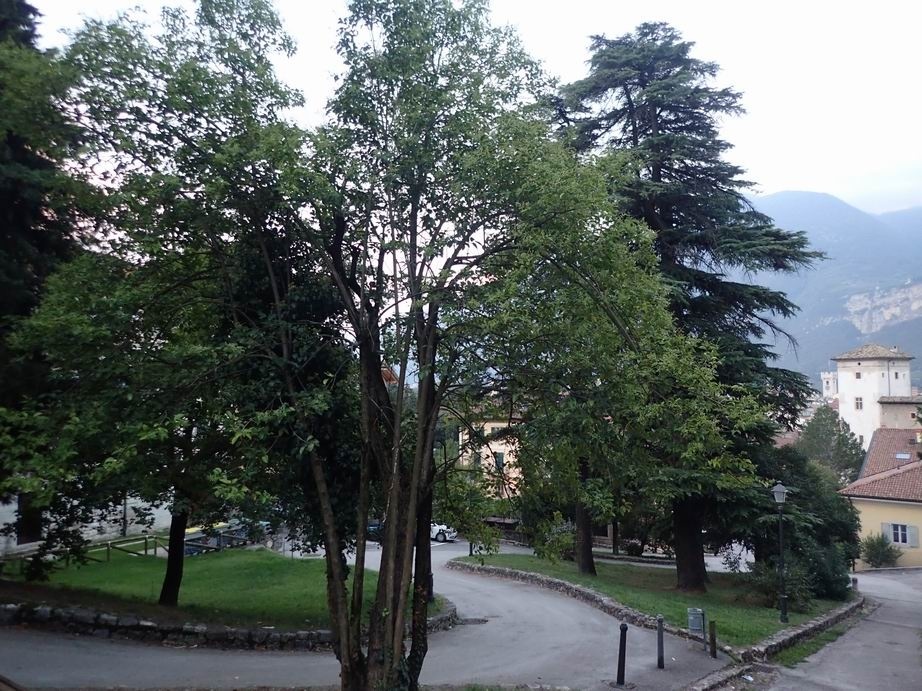
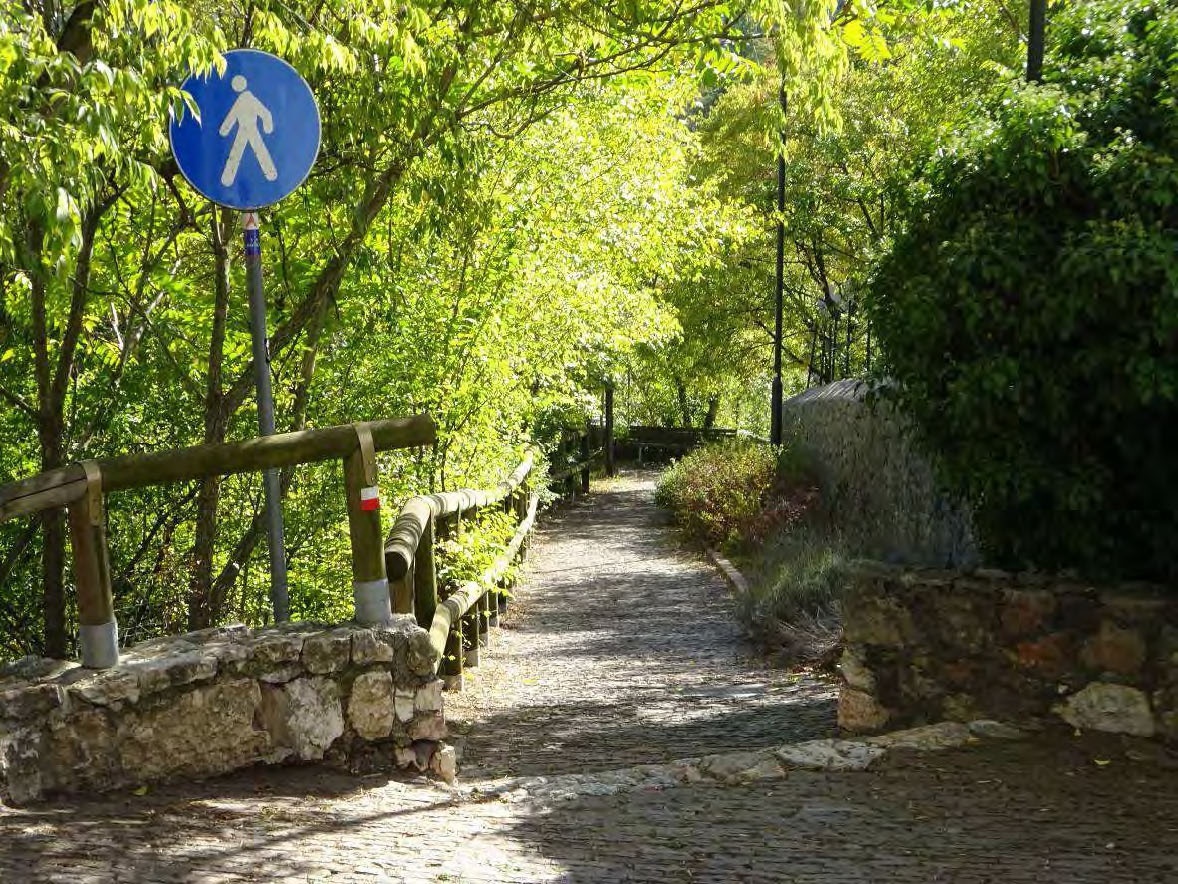
Leaving Port’Aquila, you ascend the Saluga garden, named after the stream that flows semi-hidden in the small valley after collecting waters from Cognola. The route follows the Via Crucis erected by the Carmelites in 1959, which develops up to the Laste Sanctuary with a series of shrines embedded in the walls alongside the road.
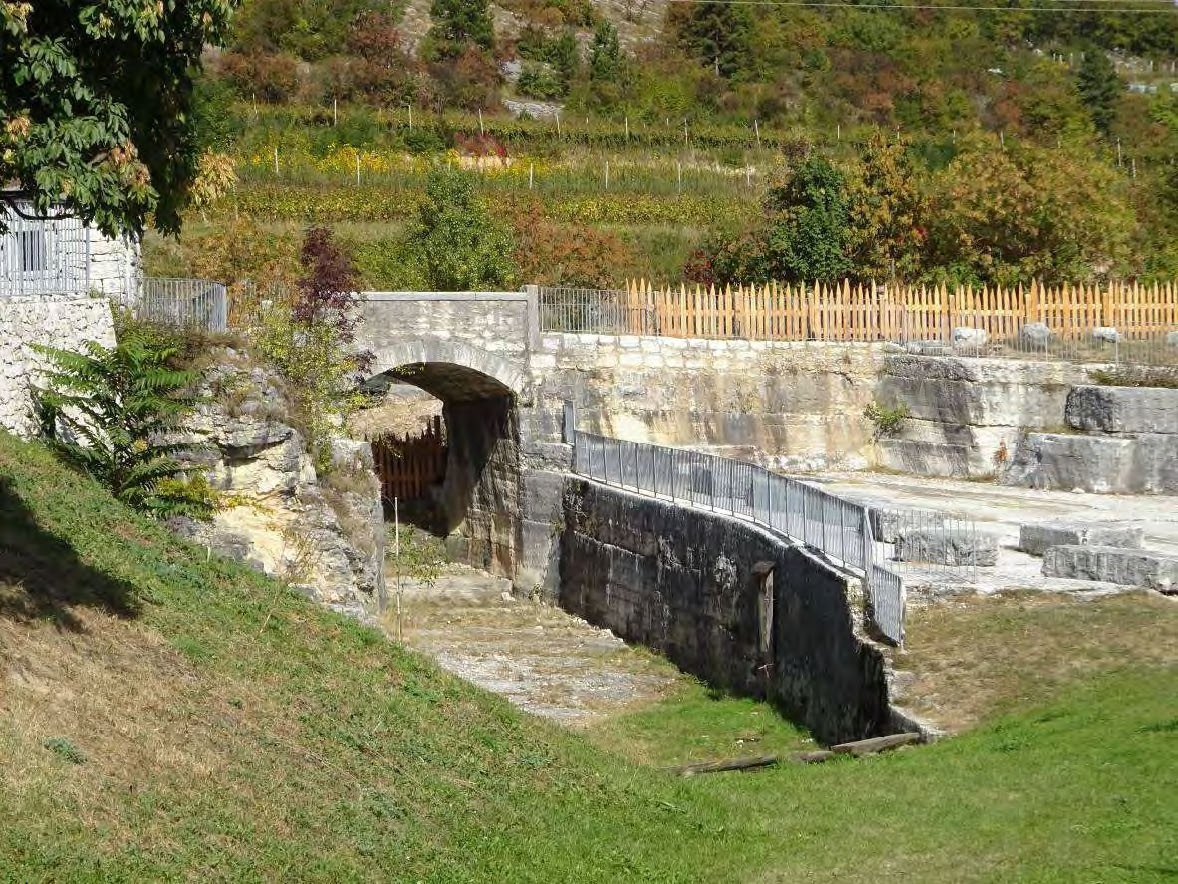
The Laste Sanctuary, dating back to the early 17th century, is an interesting stop in itself. But the route immediately continues towards Parco delle Coste, which occupies the stone quarries of the "laste delle Coste." The quarry craters have recently been transformed into a very interesting urban park rich in floral and geological features, although some vestiges of the original quarry activity remain.
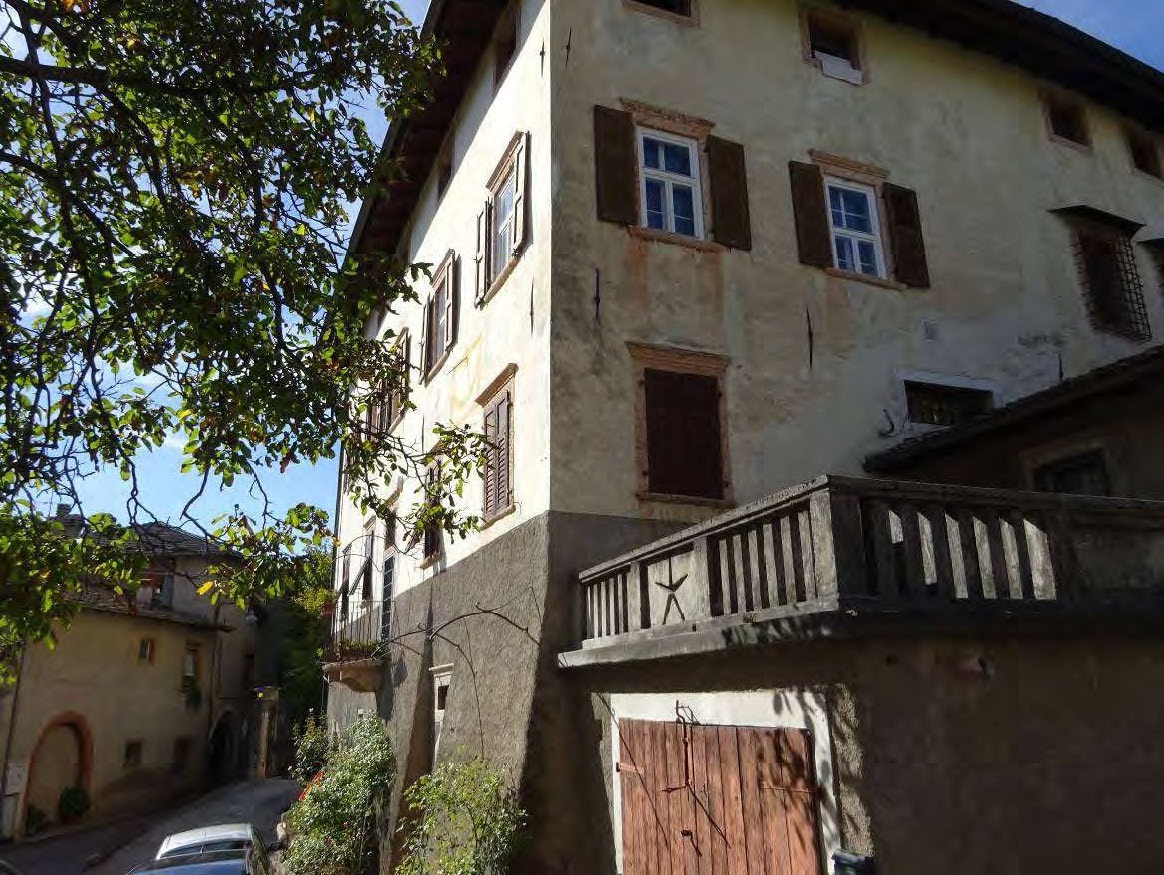
The hillside route, often nestled between dry stone walls or tall hedges, offers interesting glimpses of the surrounding landscape, well representing the transition from the urban environment to the peri-urban agricultural areas, dotted with pleasant examples of patrician or religious architecture such as the panoramic Toresela Seiser or the nuclei of Moià and Chiogna. Completing the scenic picture of the hill is the wooded belt at the foot of the rocky cliffs of Calmuz. This is a mixed forest of hornbeams, ashes, hop-hornbeam, maple, Scots pine, and other typical hill plain species.
After passing Villamontagna, you head towards the Pila Quarries, a proud quarrying environment, partly still active and partly transformed into a park in memory of the quarrying activities that once took place.
A route that can be done at any time; due to exposure, it is preferable in the afternoon during the cold months and in the morning in the spring and summer periods.