An easy route that allows you to climb from Trento south up to the Dosso di San Rocco, passing through the green areas of the neighborhoods of Madonna Bianca, Villazzano 3, and S. Rocco
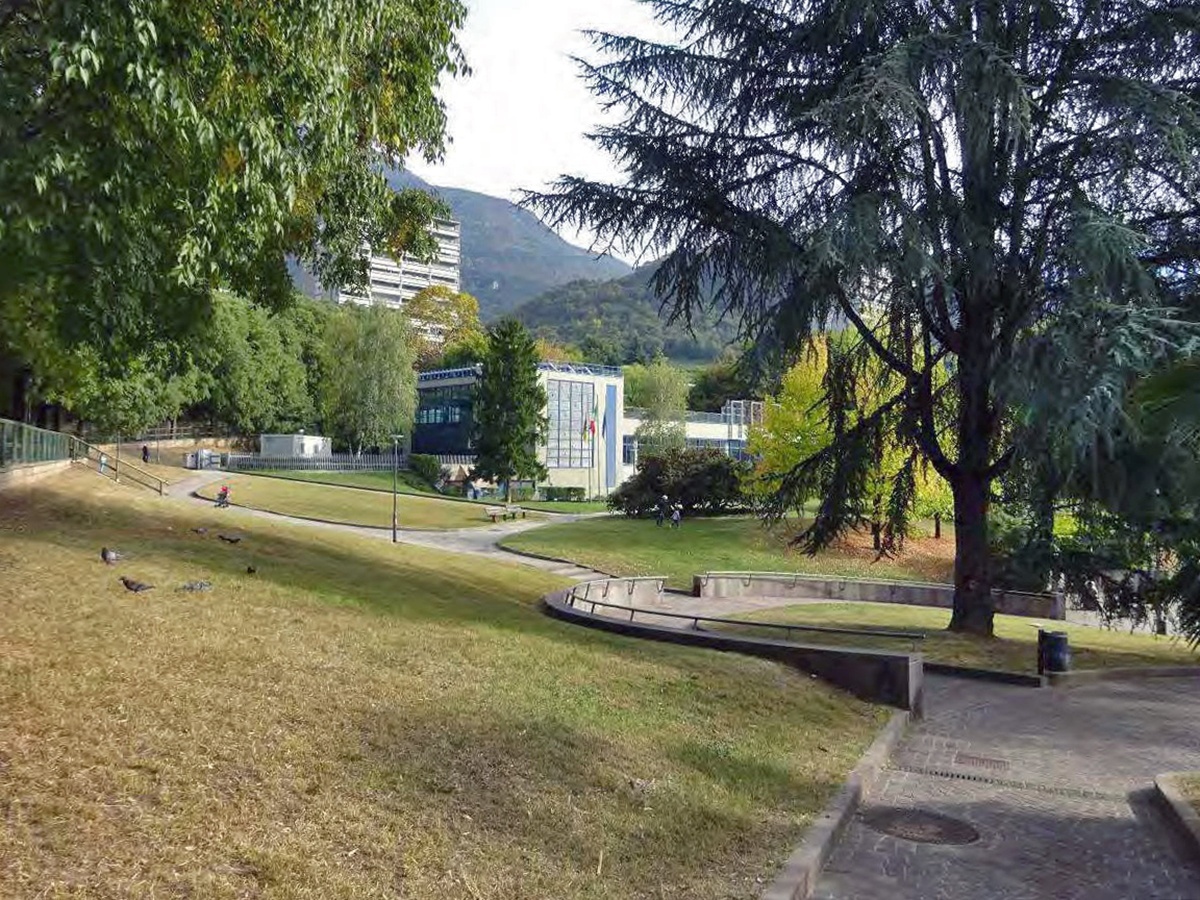
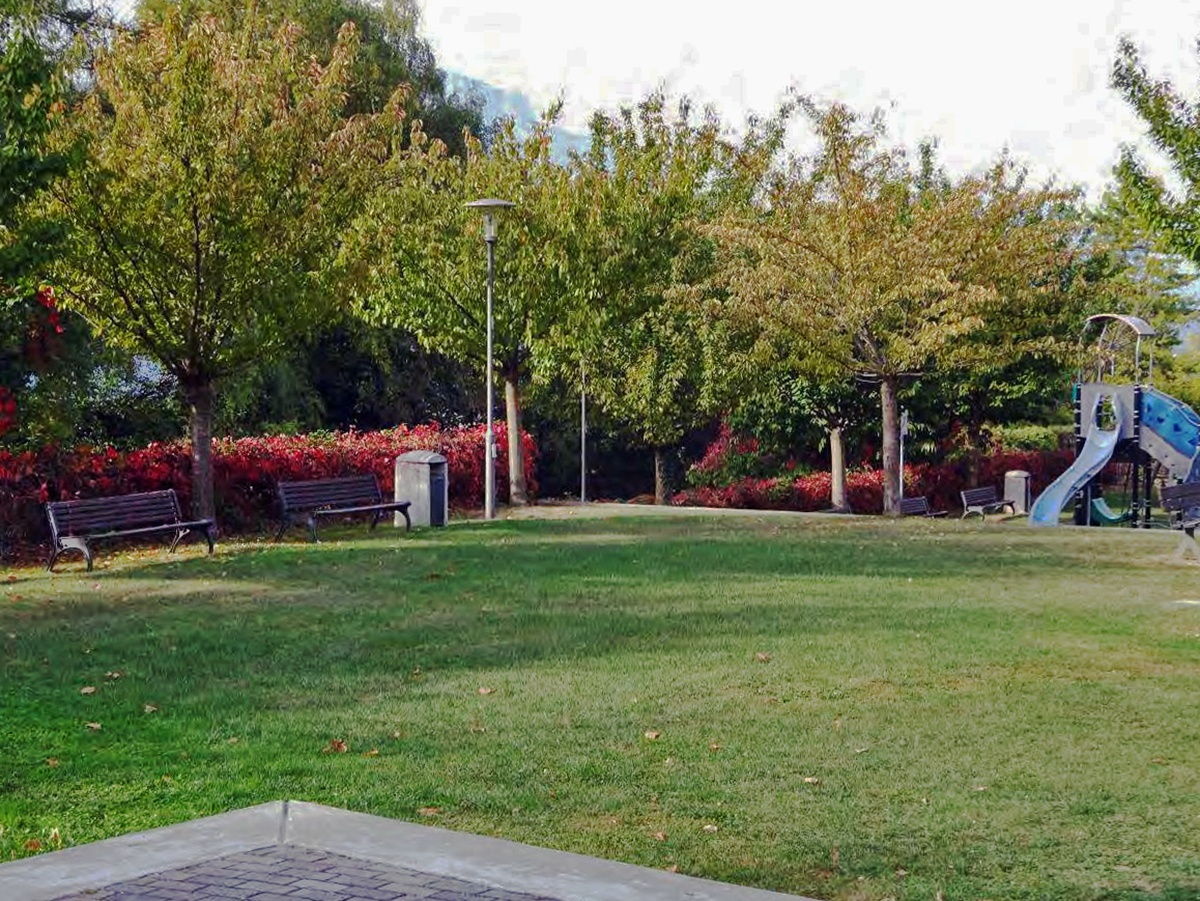
The itinerary concerns the southern area of Trento and touches the neighborhoods of Madonna Bianca, Villazzano 3, and S. Rocco, crossing numerous parks and public gardens.
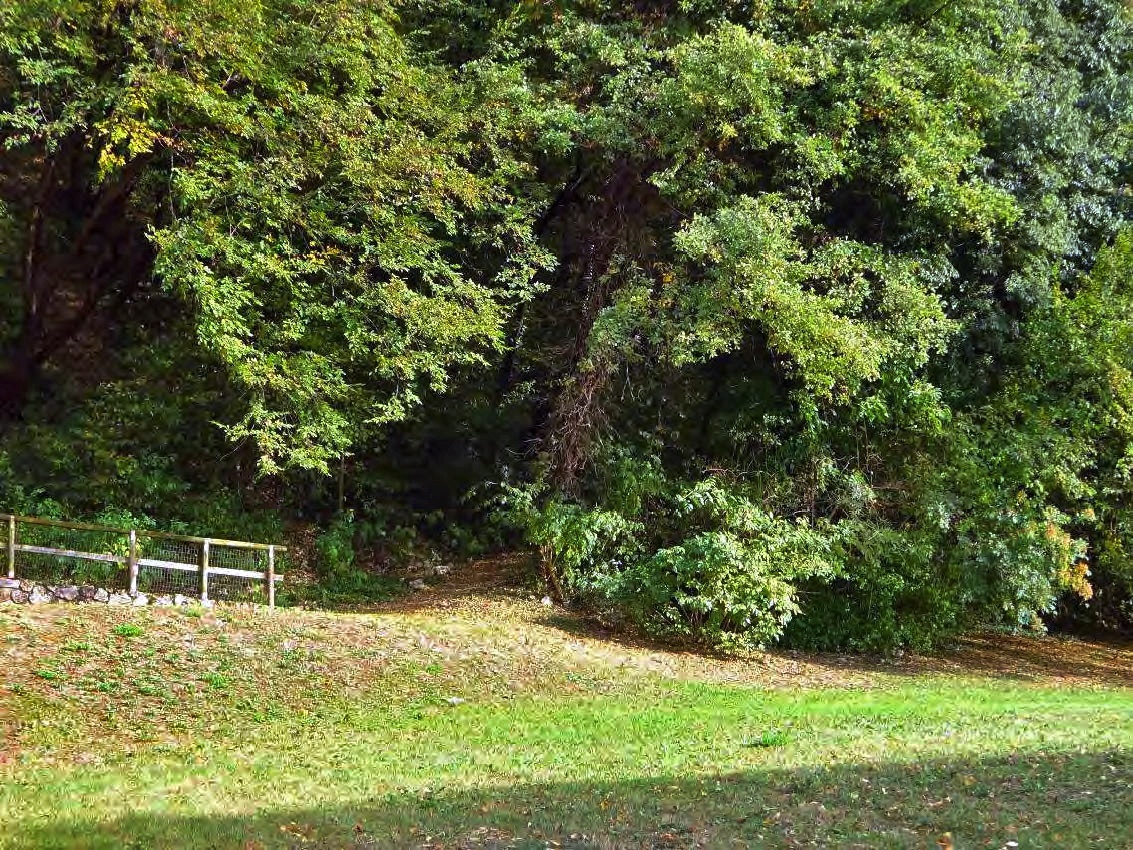
Starting from the Prato Grande, near Viale Verona, the route climbs towards Madonna Bianca square, an important vertical public housing neighborhood built in the 1970s with a significant presence of green spaces. A short detour allows visiting the S. Antonio chapel. Shortly after, passing under the Valsugana Railway underpass, the route skirts the Villazzano 3 neighborhood, a twin of the previous one completed in 1978, until reaching the climb towards S. Rocco. By diverting from the main route, it is possible to visit the Garbari Garden (public since 2003), connected to the historic Villa Taxis. This is a large park of romantic character, created around 1895 by Giuseppe Garbari, on the remains of a previous seventeenth-century garden that belonged to the Roveretti counts. Together with a rich collection of conifers still visible today, a large clearing with a monumental beech (unfortunately lost) and a water course winding among ponds and lakes surrounded by aquatic plants was created, ending with a small artificial waterfall in the "wild valley."
The main route continues among vineyards and residential areas of the southern hill, reaching the large San Rocco Park in the homonymous neighborhood.
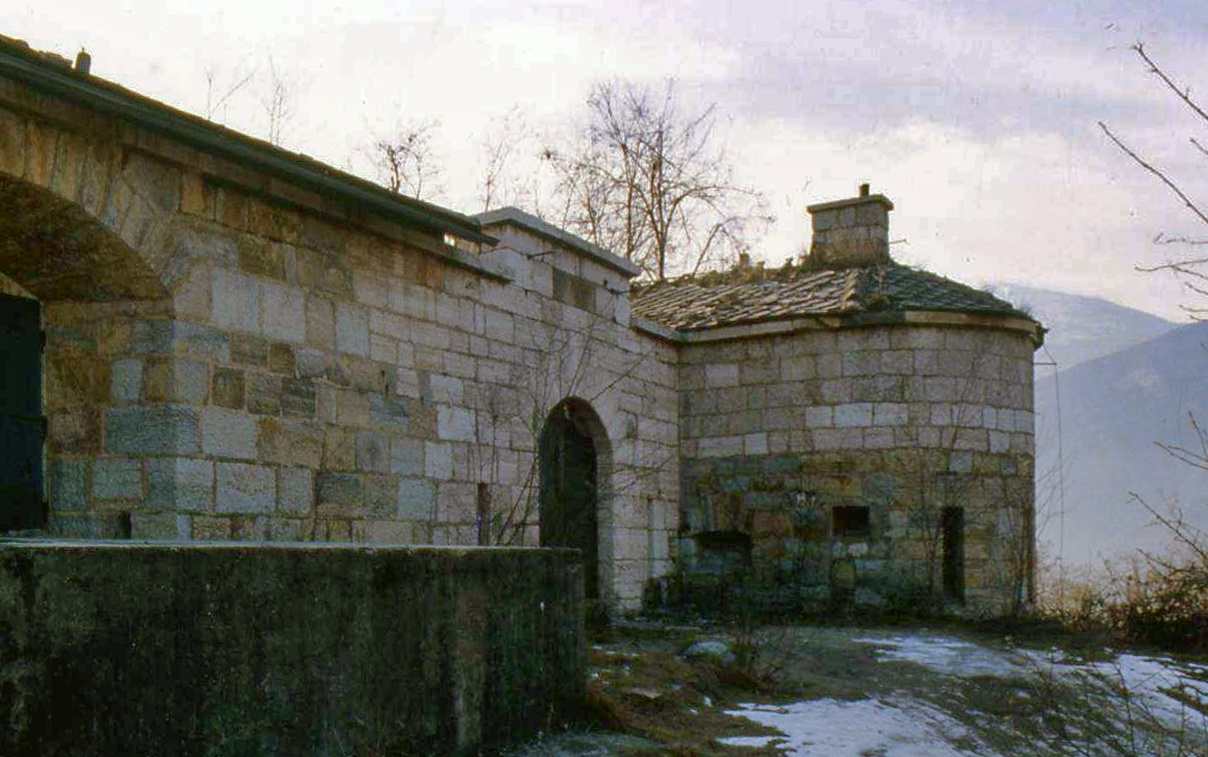
The destination of the route, the Dosso di S. Rocco (469 m), is one of the legendary three teeth that oversaw the basin of Trento and from which the city took its name. On its summit stands the homonymous Austro-Hungarian fort. The area around the fort is occupied by the "city forest," enriched with various exotic conifers of particular beauty and botanical interest.
Human presence in these places is very ancient: nearby are preserved the essential traces of a prehistoric hillfort (loc. Casteler). In the 12th century stood Castel Cedra (Castrum Cedre), destroyed in 1208. Finally, the Imperial-Royal Military Engineering Directorate of Trento expropriated it to build a fortress (Werk San Rocco / Fort San Rocco 1880 - 1882).
A route that can be done at any time; for exposure, the afternoon is preferable during the cold months and the morning in the spring and summer periods.